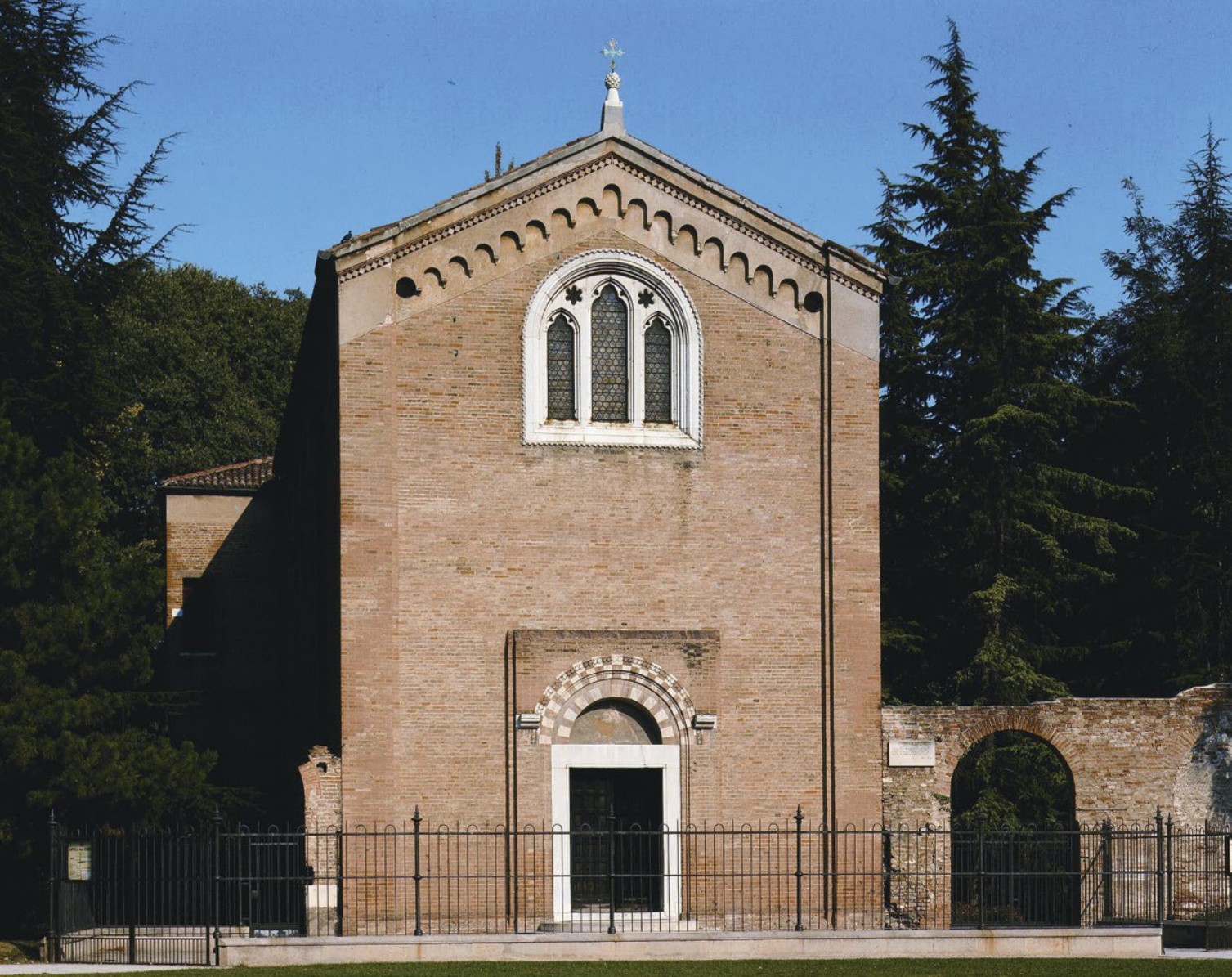
 Arena (Scrovegni) Chapel © Alfredo Dagli Ort/The Art Archive at Art Resource, NY
Arena (Scrovegni) Chapel
Padua, Italy. Unknown architect; Giotto di Bondone (artist). Chapel: c. 1303 C.E.; Fresco: c. 1305. Brick (architecture) and fresco.
Curator Note
"The dawn of the Renaissance. Enrico Scrovegni, a banker, commissioned this chapel to atone for his sin of usury. Giotto’s frescoes inside revolutionize art by introducing emotional realism, depth (shading), and human drama. The "Lamentation" scene is a masterclass in composition and grief."
Form
- Fresco cycle covering the entire interior.
- Barrel-vaulted simple room.
- Giotto uses modeling (chiaroscuro) to give figures weight.
- Foreshortening and perspective attempts.
- Blue star-studded ceiling.
Function
- Private family chapel.
- To expiate the sin of usury (charging interest).
- To tell the story of Mary and Christ.
- To guarantee salvation for Scrovegni.
- To display wealth and piety.
Content
- Lamentation: Grief-stricken followers mourning Christ.
- Last Judgment: Scrovegni offering the chapel to Mary.
- Kiss of Judas: Intense confrontation.
- Angels in the sky writhing in agony.
- Jonah and the Whale decorative borders.
Context
- Giotto is considered the first Renaissance painter.
- Built near an ancient Roman arena.
- Dante placed Scrovegni's father in Hell for usury.
- Shift from Byzantine stylization to observation of nature.
- Humanism: focus on human emotion.